
How tourism can face up to the future
by Mario Ferraro

by Mario Ferraro
The pandemic has had a radical influence on our lives, forcing us to change a large number of our habits. Many of these adjustments will remain even after the end of the emergency and will permanently alter our way of living. This will have an impact on tourism, a crucial asset for our country, and the industry will have to adapt to the modified market demand.
It is almost certain that this summer will once again be characterised by restrictions that will limit our freedom of movement. A number of borders will remain closed. Quarantine and mandatory testing will be the norm in many countries. Restrictive measures, targeted lockdowns and social distancing will continue to be the foundation of the virus containment strategy and will characterise our daily lives, even while we are on holiday.
The level of these limitations and the efficiency of the vaccination campaign will determine to what extent the sector recovers, and there is no doubt that any recovery this year will be only partial, while we will see stronger recovery only from from 2022 onwards.
We urgently need to create the conditions not only to restart, but to do so better than the others, because tourism is a fundamental resource for our country.
It is essential – for the recovery of the tourism sector in Italy in general and specifically in highly attractive destinations such as Sardinia – to implement efficient health protocols that provide increased protection against new outbreaks for tourists, workers and local populations. The more efficient these protocols are, the more tourists will be encouraged to see Italy as a safe destination.
Mandatory testing both before and on arrival, efficient screening, tracing and assistance during holidays, as well as the level of vaccination reached among the population and the quality of local health systems, will all be decisive factors in earning the trust of consumers.
Consumers have an increasing tendency to prefer destinations who can project the idea of being safer because they guarantee efficient and strict health protocols. One positive example is Dubai, which has managed to build an image of a protected destination, maintaining its appeal unaltered by demanding COVID testing before departure and on arrival, and by vaccinating all workers in the tourism sector to provide holidaymakers with the impression of finding themselves in a safe place, free to enjoy a worry-free holiday.
On the contrary, holidaymakers are unlikely to choose destinations where controls on arrival are poorly managed and imprecise, with a low percentage of vaccinations and a rate of infection that remains high. These destinations will lose out.
Before the holiday season begins, Italy needs to prioritise the vaccination of workers in the tourism sector – from airport personnel to staff in restaurants, bars, hotels, public transport and retail – in order to guarantee rapid recovery for the industry and, just as important, to deliver the message to international markets that holidays in Italy are safer than elsewhere.
A number of trends that emerged during the pandemic will consolidate in the post-COVID era; sustainable destinations, characterised by low-density tourism, will be favoured over mass-tourism hubs. Locations with more space and nature will be privileged, while trendy but overcrowded destinations will lose appeal. Traditional seasonality will fade away, and tourist flows will be spread over a more extended seasonal window, as many will avoid travelling in peak months. People will travel less frequently but will stay longer. Workations will become the norm for certain professional categories.
From an experience point of view, outdoor spaces will be preferred for dining an socialising, and the premium segment will focus more than ever on reserved and exclusive environments; private villas, suites with swimming pools, private jets and holidays on yachts are seeing a significant increase in demand.
These new trends will influence investment planning in the tourism industry to adapt and convert products and services in order to satisfy evolving demand.
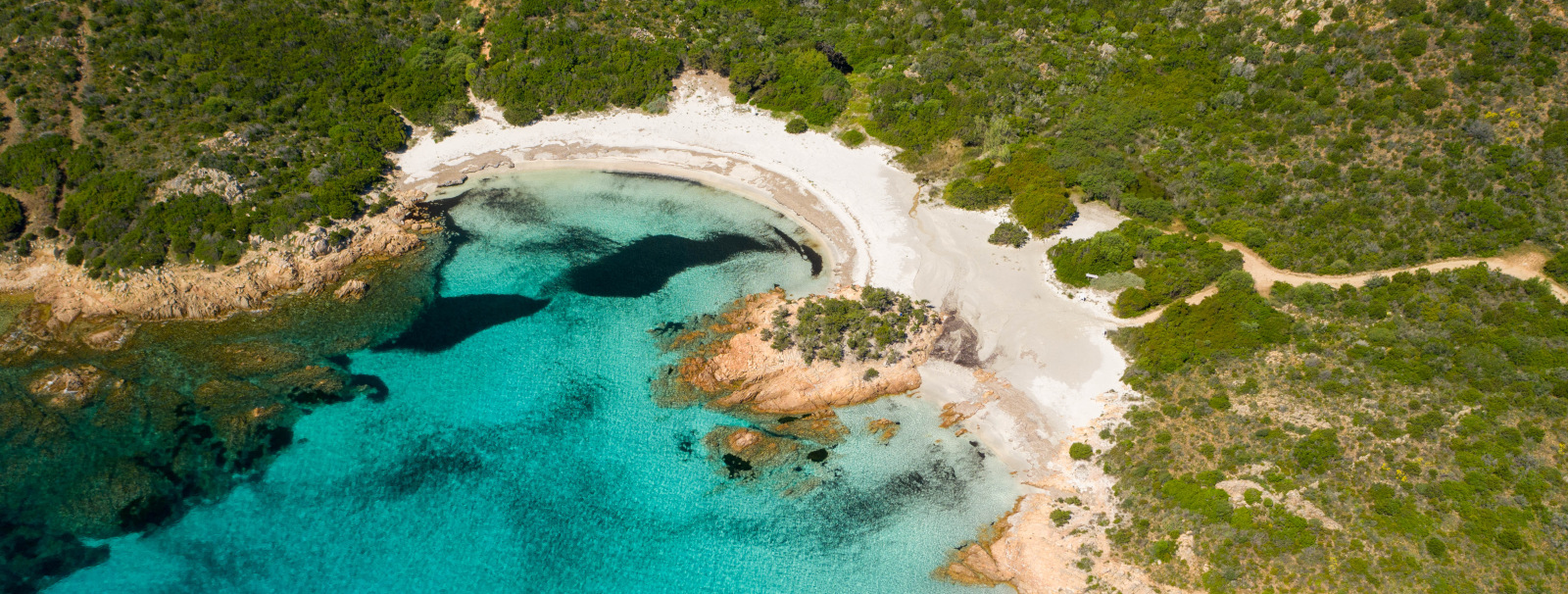
The Costa Smeralda is well-positioned for both rapid recovery and long-term growth, because it already naturally satisfies the new expectations of consumers. The extraordinary natural beauty, the uncontaminated beaches, small scale of the destination, the limited airlift, the exclusive hotels, all with ample outdoor areas, private beaches and villas with swimming pools, are all factors on which we can rely to outperform the competition and further strengthen our position as the most exclusive resort destination.
The decision taken by the new Prime Minister to finally introduce a Ministry for Tourism has come at a perfect moment. It is a far-sighted choice that is necessary in order to relaunch a sector that has been crippled by the pandemic and provide it with structure and strategies for development that can lead destination Italy into the future as a fundamental resource for the growth and recovery of our country.
CEO of the Smeralda Holding Group and Vice president of the Costa Smeralda Consortium
Fonte: Il Sole 24 ore